Entry Level Digital Pianos For Beginners
Yamaha P-45
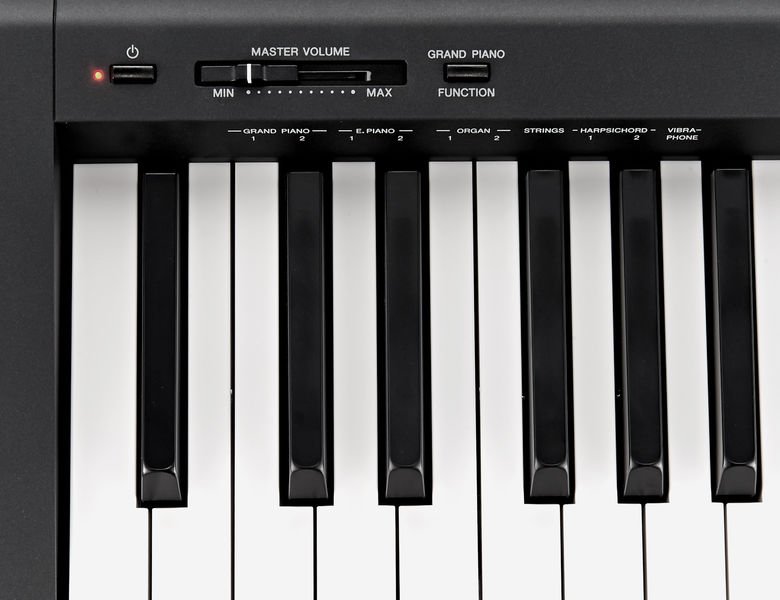
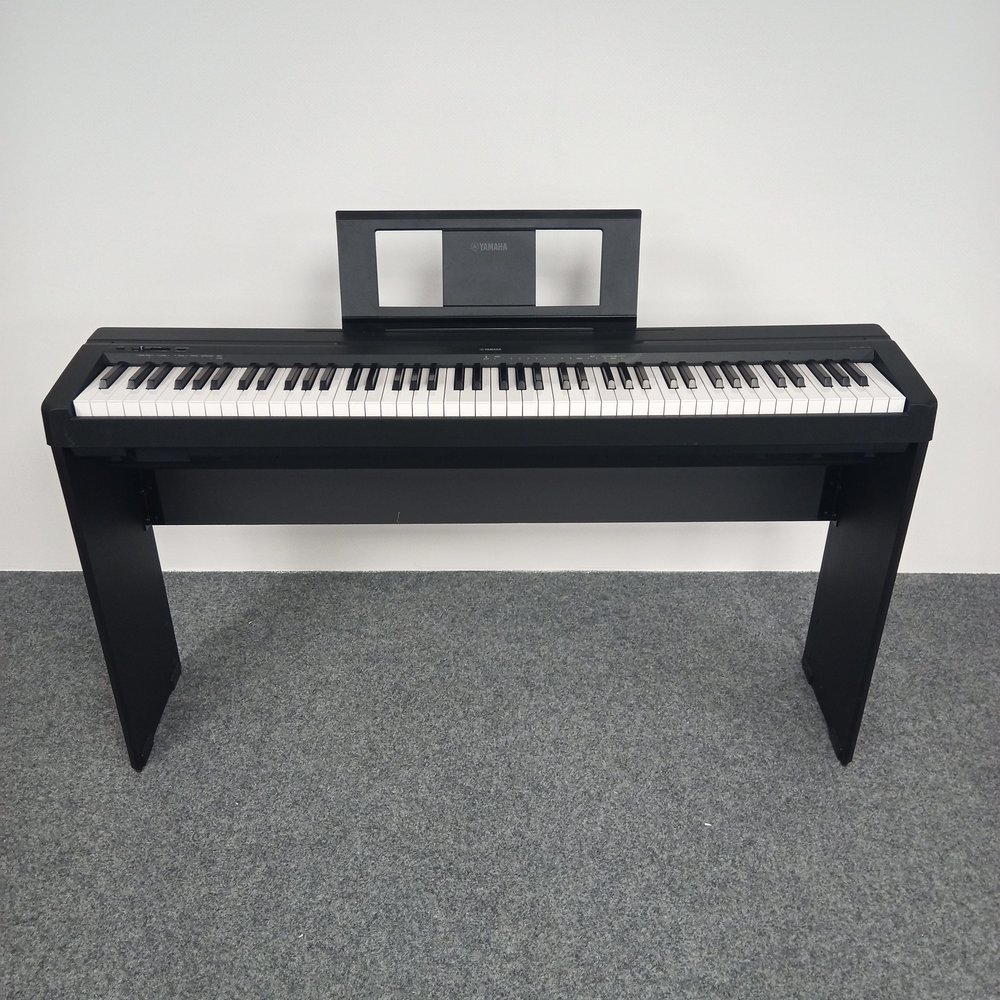
The Yamaha P-45 is a popular and affordable 88-key digital piano that is compact and easy to carry, making it a great choice for beginners and intermediate players. It is designed to give you a playing experience that feels close to a real acoustic piano. The Graded Hammer Standard (GHS) keyboard has weighted keys, which means the lower keys feel heavier and the higher keys feel lighter just like on a traditional piano. It also uses Yamaha’s AWM Stereo Sampling technology to produce rich and realistic piano sounds. Overall, the P-45 is a great option for anyone looking for a quality digital piano that is simple to use and budget-friendly.
- 88 weighted keys, 10 voices, basic connectivity
- Target: Absolute beginners and mid levels, budget-conscious buyers
- Key points: Graded Hammer Standard action, dual mode, metronome
Casio PX-160
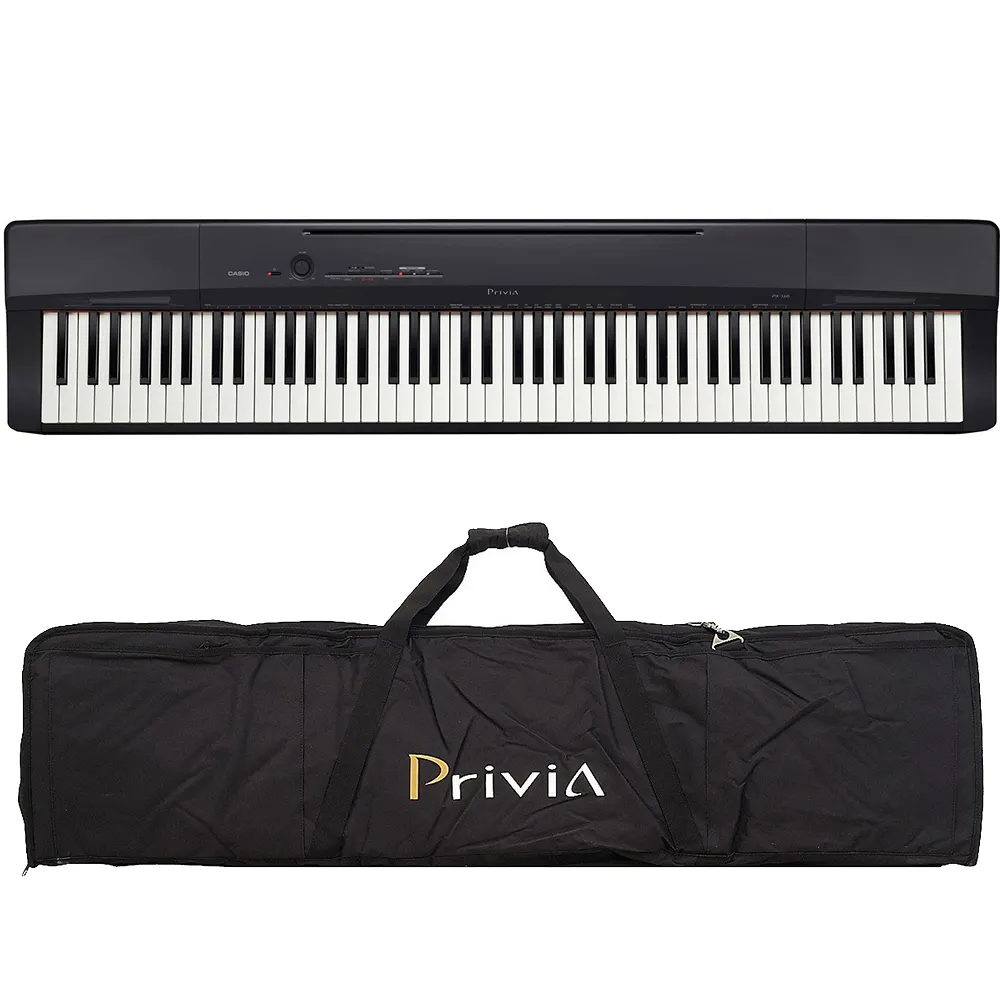
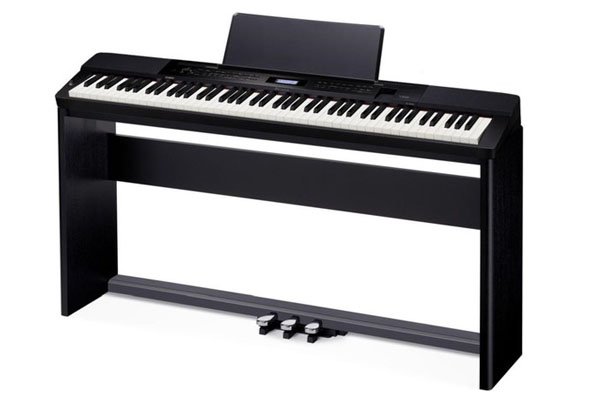
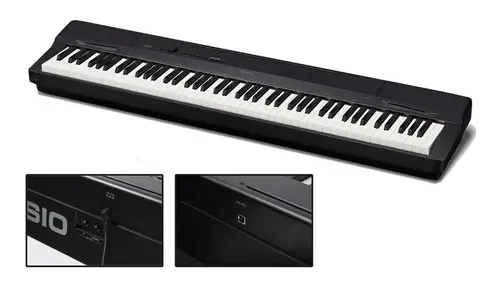
The Casio PX-160 is an 88-key digital piano from Casio’s Privia series, well-known for offering a realistic playing feel and high-quality sound at an affordable price. It features Casio’s Tri-Sensor Scaled Hammer Action II keyboard, which uses three sensors to accurately capture the speed and pressure of your playing, giving you a very natural response—similar to an acoustic grand piano. The piano also uses Casio’s AiR (Acoustic and Intelligent Resonator) sound engine, which produces rich, detailed piano tones and a wide variety of other instrument sounds. The PX-160 is a great choice for students, home use, or even small performances, combining great sound, touch, and value in a compact design.
- Tri-sensor scaled hammer action, 18 tones, USB connectivity
- Target: Students, home practice
- Key points: Compact design, good key feel for price
Roland FP-10
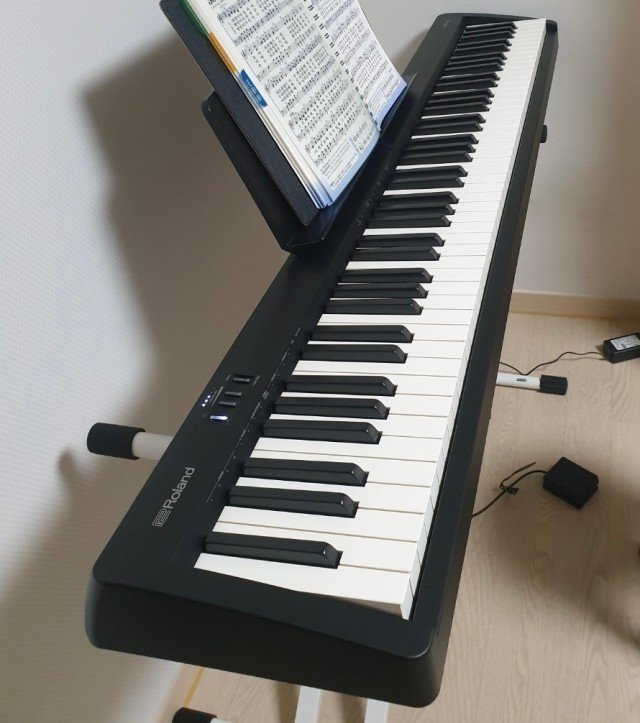
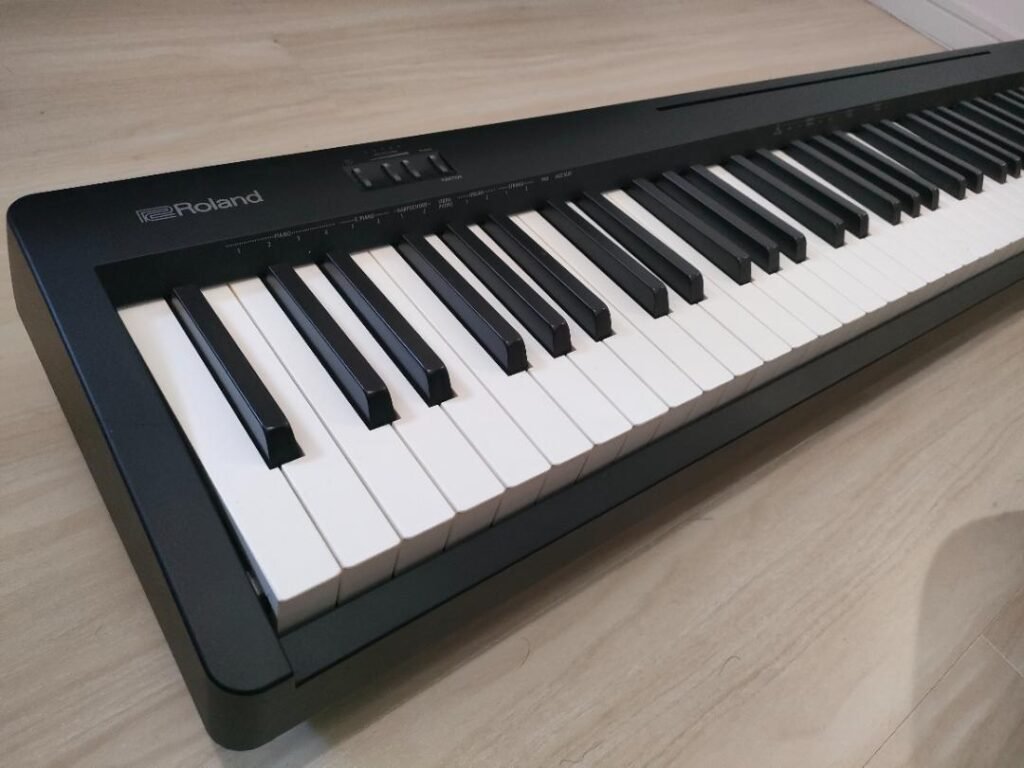
The Roland FP-10 is an 88-key digital piano that’s perfect for beginners or anyone looking for a quality instrument in a compact and portable design. It features Roland’s SuperNATURAL Piano sound engine, which delivers rich, expressive piano tones that feel very realistic. The keyboard uses PHA-4 Standard action, giving you a responsive touch with weighted keys that feel similar to an acoustic piano.
The FP-10 also comes with built-in speakers and a headphone output, making it easy to practice at any time, even quietly. It offers Bluetooth MIDI and USB MIDI connectivity, so you can connect it to music apps, learning tools, or digital audio workstations (DAWs) for composing and recording. It also works with Roland’s Piano Partner 2 app, which adds fun learning features and controls. Overall, the FP-10 is a great entry-level digital piano that combines excellent sound, feel, and modern connectivity.
- PHA-4 Standard action, SuperNATURAL piano sound
- Target: Serious beginners, small spaces
- Key points: Bluetooth connectivity, Twin Piano mode
| Example | What’s Good | What’s Not So Good |
|---|---|---|
| Yamaha P-45 | – Simple and beginner-friendly- Realistic weighted keys (GHS)- Affordable | – Basic sound engine (less detailed)- No Bluetooth- Limited sound options |
| Casio PX-160 | – Rich sound engine (AiR)- Triple-sensor key action- More instrument tones | – Speakers are not very powerful- No Bluetooth- Slightly bulkier than others |
| Roland FP-10 | – Excellent key feel (PHA-4)- SuperNATURAL sound- Bluetooth MIDI included | – Fewer onboard sounds than PX-160- No line out (only headphone out)- Limited buttons |
All three models offer great value ($300-$800) with realistic sound and weighted keys. The Yamaha P-45 is the simplest and most beginner-friendly, the Casio PX-160 provides more sound variety and realism, and the Roland FP-10 stands out with modern features and connectivity. The best choice depends on your personal needs and learning style.
Mid-Range Digital Pianos
Yamaha P-125
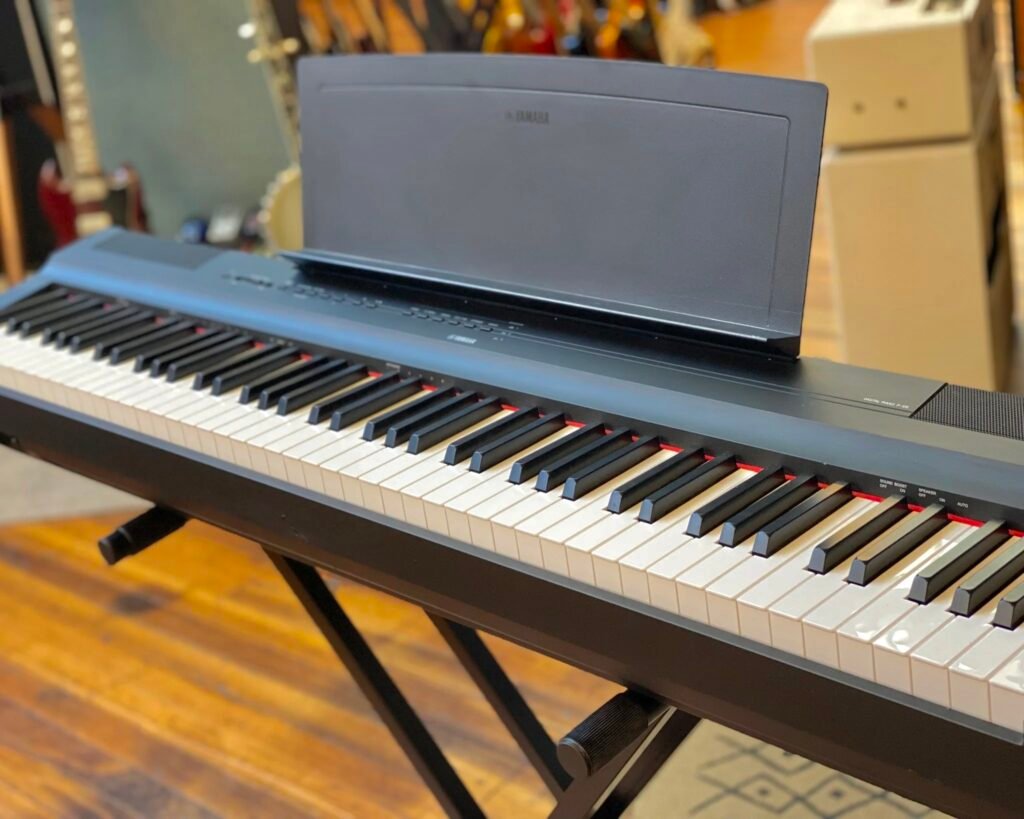
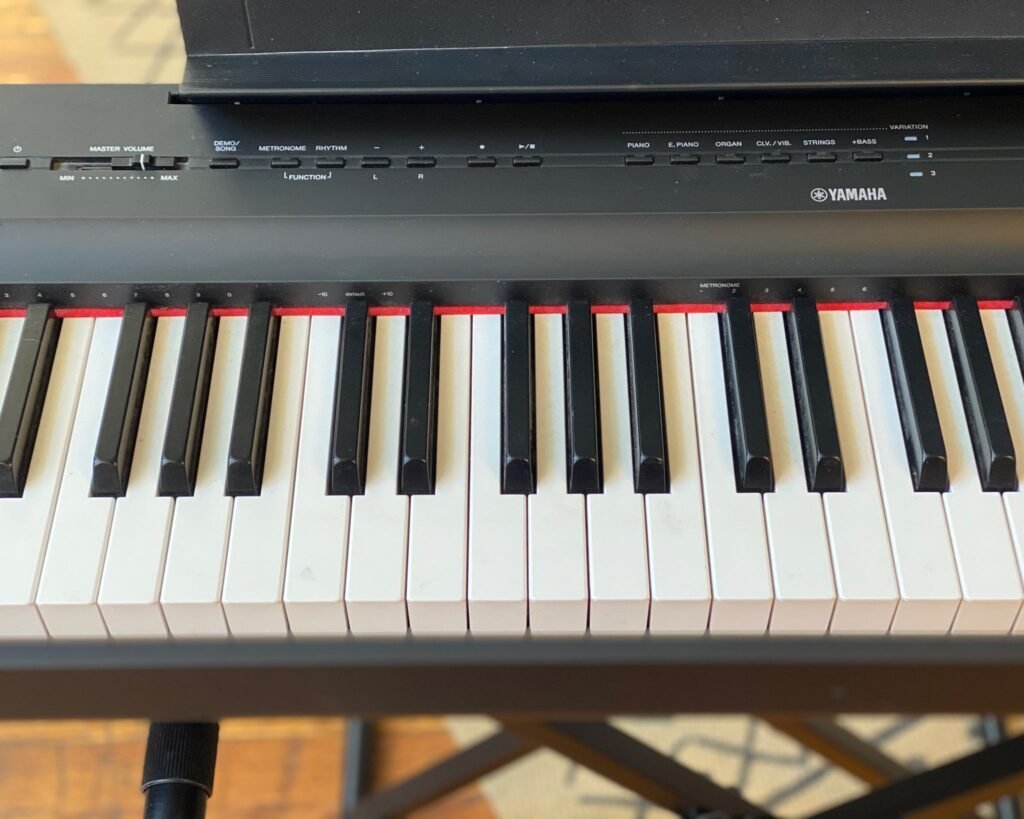
The Yamaha P-125 is a compact and portable digital piano that offers a realistic playing experience with great sound. It has 88 weighted keys using Yamaha’s GHS (Graded Hammer Standard) system, which makes it feel like a real acoustic piano. The piano uses the Pure CF Sound Engine to recreate the sound of Yamaha’s famous CFIIIS concert grand piano. It also has a 2-way speaker system that gives a rich, clear sound in all directions. Despite its slim design, the P-125 delivers professional quality for home or stage use.
-
GHS weighted action, 24 voices, smart device connectivity
-
Target: Intermediate players, versatile use
-
Key points: Smart pianist app integration, portable design
Roland FP-30X
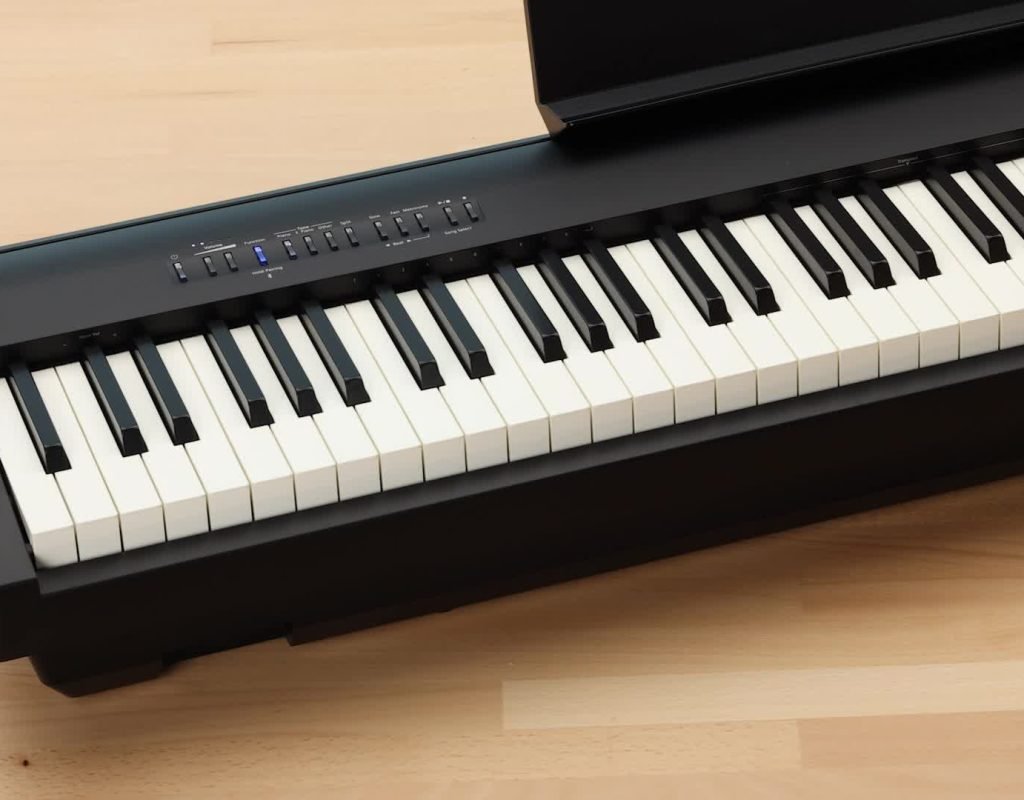
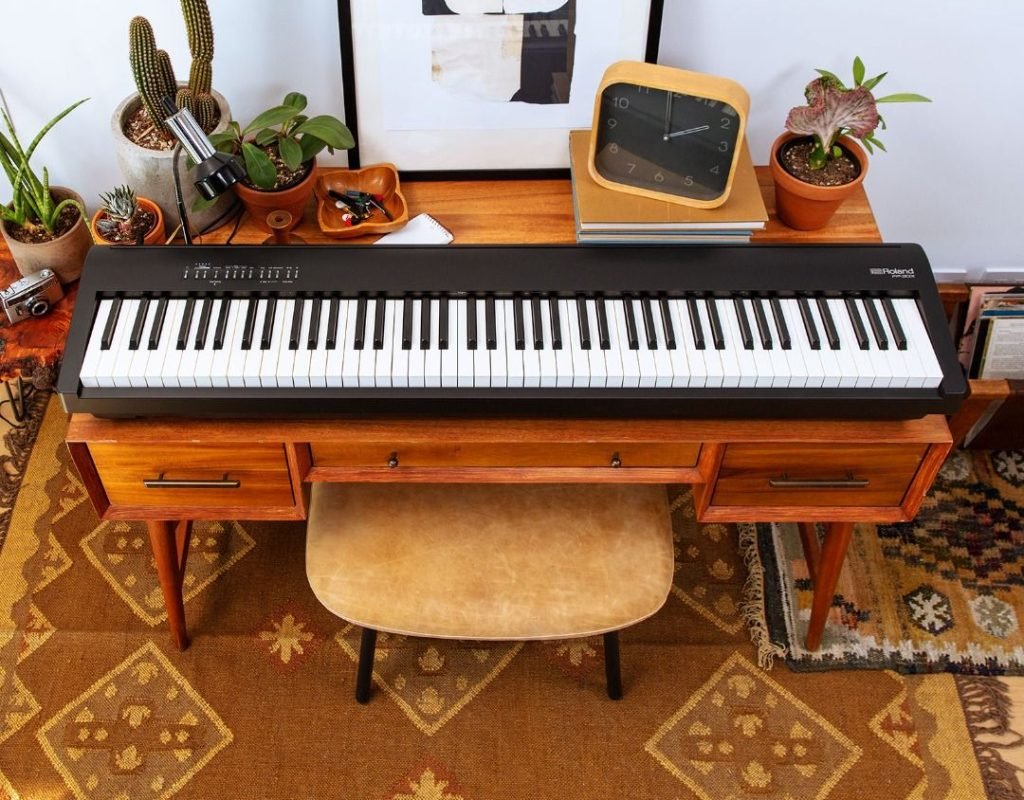
The Roland FP-30X is a stylish and highly portable 88-key digital piano, part of Roland’s popular FP-X series. Designed to bridge the gap between professional quality and everyday convenience, it delivers the authentic sound and touch of an acoustic piano in a compact and affordable package. Whether you are practicing at home, performing on stage, or recording in a studio, the FP-30X offers the versatility and performance you need.
Powered by Roland’s acclaimed SuperNATURAL Piano sound engine, the FP-30X produces rich, expressive tones with incredible depth and detail. Its PHA-4 Standard keyboard features weighted keys with ivory-feel texture and precise key response, giving players the natural feel of a grand piano. With built-in speakers, Bluetooth connectivity for MIDI and audio, and a range of modern features, the FP-30X is perfect for both beginners who want to start on the right instrument and experienced musicians who demand quality and portability.
- PHA-4 Standard action, SuperNATURAL modeling
- Target: Gigging musicians, home players
- Key points: Bluetooth audio/MIDI, onboard recording
Casio PX-870
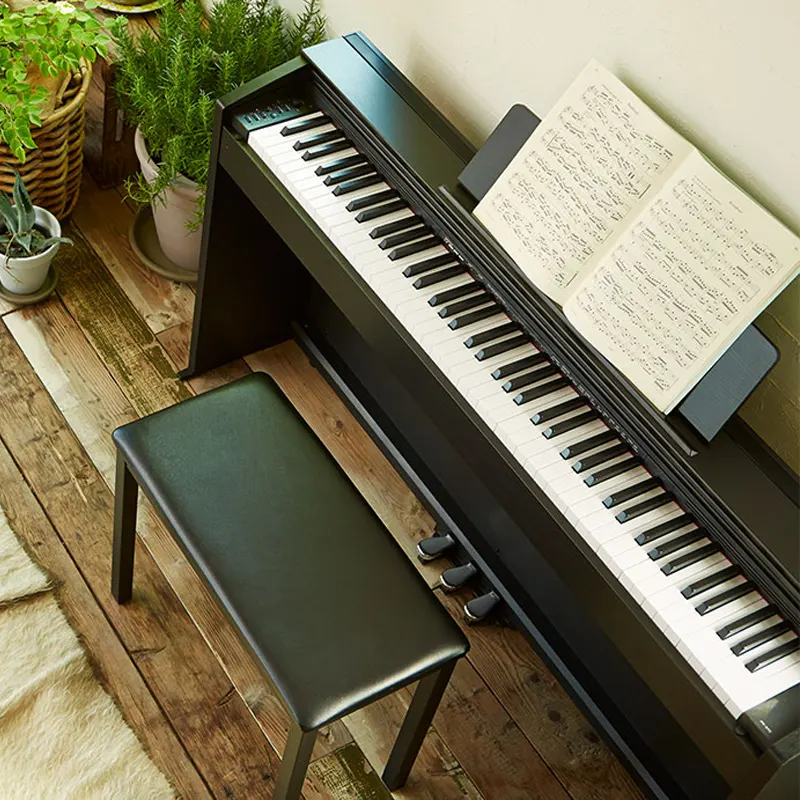
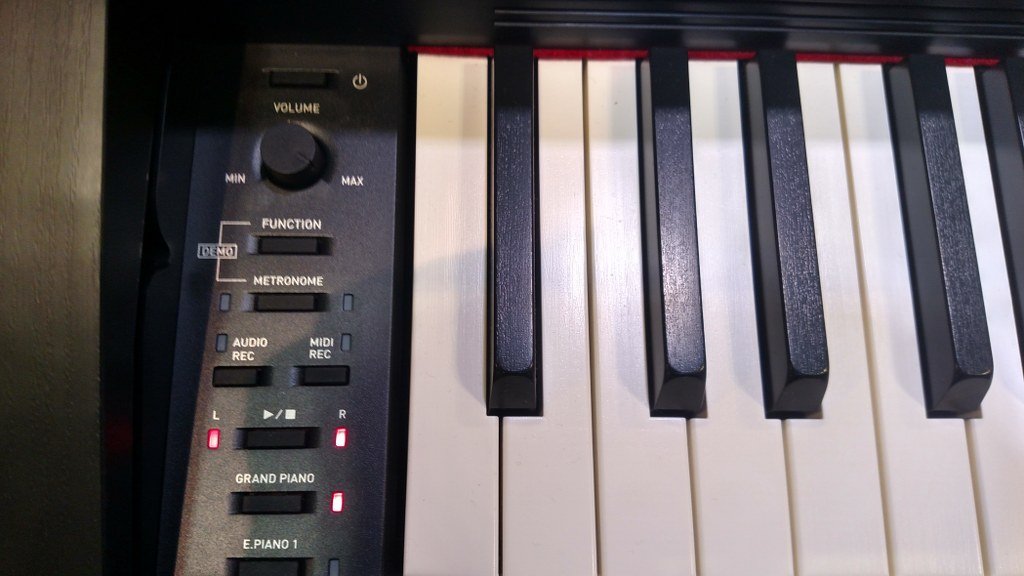
The Casio PX-870, a premium model from Casio’s Privia series, is designed to provide a true grand piano experience in a modern and compact digital format. Equipped with Casio’s Multi-dimensional Morphing AiR Sound Source, it delivers a rich and natural grand piano tone, enhanced by advanced features such as damper resonance, string resonance, and adjustable hammer response for greater realism. Its powerful “Sound Projection” speaker system projects sound both upwards and downwards, closely replicating how an acoustic grand piano fills a room. Complementing its sound quality, the PX-870 features an 88-key Tri-Sensor Scaled Hammer Action Keyboard II with simulated ebony and ivory key surfaces, offering the authentic touch and feel expected from a traditional grand piano.
Thanks to its excellent balance between quality and price, the PX-870 is considered a mid-range digital piano, making it an ideal choice for intermediate students who want to improve their technique with a keyboard that feels and sounds close to an acoustic piano. Its durability, expressive sound, and modern features also make it a smart long-term investment for home practice and performance.
- Tri-sensor scaled hammer action II, 19 tones, cabinet design
- Target: Home use, furniture-style preference
- Key points: Built-in speakers, cabinet design, lid
| Model | What’s good | What’s not so good |
|---|---|---|
| Yamaha P-125 | – Clear and natural piano tone with Pure CF sound engine – Compact and lightweight – Great key action with Graded Hammer Standard (GHS) – Smart Pianist app integration |
– No Bluetooth MIDI/audio – Speakers are less powerful than others – Basic design |
| Roland FP-30X | – Rich and expressive tone with SuperNATURAL engine – The keys feel very close to a real piano, great for expressive playing – Built-in Bluetooth MIDI/audio – Strong internal speakers |
– Slightly heavier than the P-125 – Fewer instrument voices than some competitors |
| Casio PX-870 | – Excellent sound detail with AiR engine and natural resonances – Tri-Sensor keyboard with textured ebony/ivory feel – Powerful 4-speaker “Sound Projection” system – Looks great in the living room thanks to its built-in wooden stand and elegant design |
– Not portable (heavy and bulky) – No Bluetooth – Limited modern connectivity |
Each of these digital pianos—Yamaha P-125, Roland FP-30X, and Casio PX-870—offers great value in its own way, and choosing the right one depends on your personal needs, space, and playing goals. The Yamaha P-125 stands out for its portability and clean sound, making it a solid choice for those who want something light and straightforward. The Roland FP-30X brings excellent key feel and Bluetooth connectivity, ideal for tech-savvy players who want a realistic playing experience. Meanwhile, the Casio PX-870 shines at home with its powerful sound system and elegant look, especially for intermediate students wanting a furniture-style setup.
There’s no single “best” option—each one serves a purpose. Whether you’re a beginner moving up, an intermediate pianist refining your skills, or someone simply looking to enjoy playing at home, one of these instruments will likely fit your situation perfectly. It all comes down to what matters most to you.
